
Choosing between hydro seeding and sod for your Vermont property requires careful consideration of your terrain, budget, and timing needs. You’ll find hydro seeding works best for large or sloped areas where erosion control matters, while sod delivers instant results for high-traffic spaces that need immediate use. Your success with either method depends on proper soil preparation, strategic timing within Vermont’s growing season, and consistent aftercare to establish strong root systems.
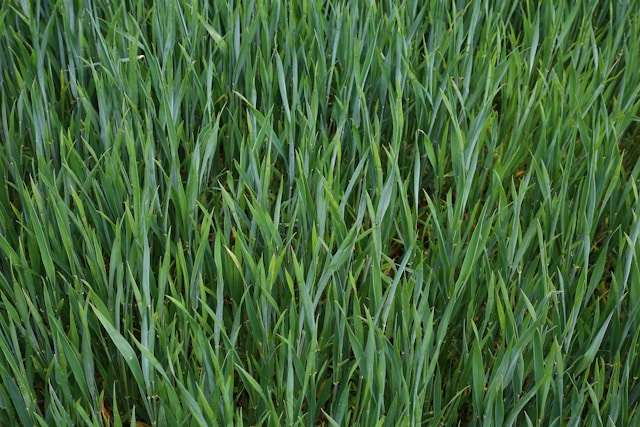
When you’re deciding between hydro seeding and sod in Vermont, grasping how these two methods diverge in their approach to lawn establishment is crucial. With hydro seeding, you’ll receive a specialized blend of grass seed, mulch, fertilizer, and binding agents sprayed onto your prepared soil, enabling roots to develop naturally in your property’s specific conditions. On the other hand, sod offers immediate satisfaction with pre-grown grass that’s harvested and transplanted directly onto your prepared soil, offering instant coverage but at a higher initial expense.
The fundamental difference between hydro seeding and sod lies in their application methods and establishment timelines. When choosing between hydro seeding vs sod, you’ll find that hydro seeding sprays an eco-friendly turf installation mixture onto prepared soil, taking 4-6 weeks to grow. In contrast, sod delivers instant results by laying pre-grown grass directly onto your soil preparation for lawn, providing immediate coverage.
You’ll find hydro seeding particularly effective for large Vermont properties or sloped landscapes where erosion control is an essential priority. Your investment goes further with hydro seeding since it costs less per square foot than sod, while still allowing you to select custom grass blends perfectly matched to Vermont’s unique climate. While you’ll need to plan for a longer establishment period, hydro seeding delivers exceptional results for lakefront properties and expansive areas where soil stabilization is vital.
For Vermont properties with challenging terrain or extensive acreage, hydro seeding stands out as an excellent solution. You’ll gain best erosion control turf while saving a considerable amount compared to sod installation. The versatile application guarantees complete coverage on difficult landscapes.
If you’re looking for a lawn that’s ready to use right away, sod installation could be your best choice. You’ll get instant curb appeal for your front yard, commercial property, or any high-traffic area where waiting for grass to grow isn’t practical. While sod costs more initially, your investment pays off with quick establishment and immediate functionality when you pair proper soil preparation with consistent watering.
Sod installation delivers immediate curb appeal and functionality for properties needing quick results. For residential turf solutions in Vermont, you’ll get an instantly usable lawn that’s perfect for high-traffic areas and slopes requiring erosion control.
Successful turf installation in Vermont starts with correct soil preparation, regardless of whether you’re using hydro seeding or sod. You’ll need to make sure your soil is properly graded, fertilized, and tested for ideal pH and nutrient levels before any installation begins. Planning your installation for late spring or early fall will give your new lawn the best opportunity to establish strong roots while avoiding Vermont’s temperature extremes.
Before installing either hydro seed or sod in Vermont, proper soil preparation lays the groundwork for a flourishing lawn. You’ll need to carefully time your turf installation during late spring or early fall for best results. Consider these essential soil preparation steps:
Whether you’ve chosen hydro seeding or sod, you’ll need to maintain consistent watering and limit foot traffic during the critical establishment period. If you’re dealing with sloped areas after hydro seeding, you should install straw blankets or erosion control fabrics to protect your investment. Your new lawn will benefit from light mowing once established, and Open Earth Landscaping can guide you through the proper maintenance techniques for either installation method.
A healthy lawn’s early days demand careful attention to post-installation care. During turf establishment, you’ll need to maintain proper watering schedules and prevent excessive foot traffic. For slopes, implement erosion control measures immediately.