
You can reduce irrigation in Vermont by designing around your site’s sun, shade, wind, slopes, and drainage so plants thrive on rainfall and dependable snowmelt. Capture roof runoff in rain barrels or cisterns, then send overflow to planted basins. Group plants by water needs (hydrozones), favor native drought-tolerant species, and amend soil with compost for better moisture holding. Mulch beds 2–3 inches, use drip lines only where needed, and shrink thirsty turf. Keep going to see how to lay it out.
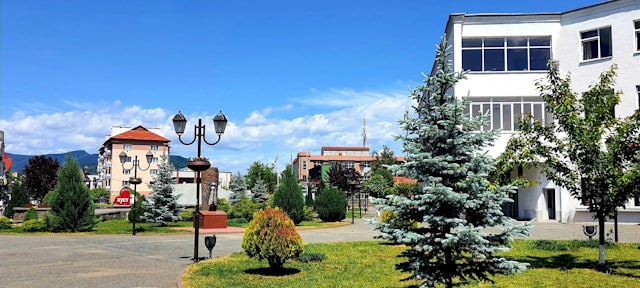
Because Vermont already supplies generous rainfall and dependable snowmelt, you can cut irrigation dramatically by designing your landscape to work with local conditions instead of against them.
Start with a site assessment: track sun, shade, wind, slopes, and drainage so you place lawns, beds, and hardscape where they’ll thrive with minimal supplemental water.
Shape grading and pathways to slow runoff and direct it to planted areas, and choose permeable surfaces that let moisture soak in.
Capture roof water with rain barrels or cisterns and route overflow to safe, planted basins.
Plan efficient watering only where needed, using drip lines and smart controllers.
With reduce irrigation landscape design, you’ll get durable, attractive results.
That’s water efficient landscaping vermont in practice.
A truly water-wise landscape starts with plant selection and the ground you put them in: choose Vermont-native, drought-tolerant species, group them by similar moisture needs through hydrozoning, and prep soil to hold water without staying soggy.
When you prioritize native plants vermont landscaping, you match roots to local rainfall patterns, snowmelt timing, and temperature swings, so plants thrive with less supplemental watering.
Set high-moisture plants near downspouts or low spots, and keep dry-tolerant beds on slopes or sandy areas to avoid overwatering.
Improve soil structure with compost to boost water-holding capacity, then loosen compacted subsoil so roots can explore deeper moisture.
With xeriscaping cold climate vermont principles, you’ll reduce stress, limit runoff, and build long-term resilience across your site.
Once you’ve matched plants to the right zones and prepped the soil, you can lock in that moisture and cut ongoing upkeep with a few high-impact moves: mulch beds to reduce evaporation and suppress weeds, use hydro-seeding to establish dense groundcover quickly on slopes or large areas, and shrink traditional turf in favor of lower-water alternatives.
Keep mulch 2–3 inches deep, pulled back from stems, and refresh it as it breaks down to build soil and reduce watering swings.
On open ground, choose hydroseeding vermont services to jump-start coverage that outcompetes weeds and stabilizes soil with less hand-watering.
Then convert thirsty lawn strips into native groundcovers, meadow mixes, or mulched planting beds.
You’ll get low maintenance landscape design vt that stays greener longer with fewer mow-and-water cycles.
Even with the right plants and mulch in place, your site’s sun exposure, drainage patterns, and grading will decide how efficiently the landscape uses water.
Track where morning and afternoon sun hits, then group plants by light needs so you don’t overwater shade beds just to keep sunny spots alive.
Watch how snowmelt and storms move across the yard; low areas that stay soggy need soil improvement or landscape drainage solutions vermont to prevent root rot and runoff losses.
Adjust grading to slow, spread, and sink water, using gentle swales, rain gardens, or berms that keep moisture where plants can use it.
When you match irrigation to these microconditions, you’ll need fewer cycles and get stronger establishment with eco friendly landscaping vt practices overall.
When your planting plan matches your site’s sun, drainage, and grading, you can cut irrigation without sacrificing a healthy, good-looking yard—and that’s exactly where Open Earth Landscaping comes in. You’ll get a landscape that works with Vermont’s rainfall, snowmelt, and soils instead of fighting them with constant watering.
With open earth landscaping vermont, you can use hydrozoning to group plants by water needs, install drought-tolerant natives, and build healthier soil with compost and mulch. You’ll reduce runoff, prevent stressed turf, and keep beds thriving through dry spells. These choices lower your water bills and shrink your environmental footprint while boosting curb appeal.
If you want sustainable landscaping vermont that’s practical and long-lasting, you’ll find a design approach that saves time, money, and water.