
Landscape Planning for Vermont’s Climate: Snow Management, Drainage & Year-Round Outdoor Living requires a specialized approach that accounts for the state’s long winters, heavy snowfall, freeze-thaw cycles, and spring snowmelt. Designing Landscapes For Vermont Lifestyles means embracing these unique environmental conditions with climate-responsive landscaping strategies that balance structural durability, ecological responsibility, and outdoor functionality. Homeowners must create landscapes that can endure frost heave, soil expansion, erosion, and moisture accumulation while still offering inviting spaces for relaxation, recreation, and year-round outdoor enjoyment.
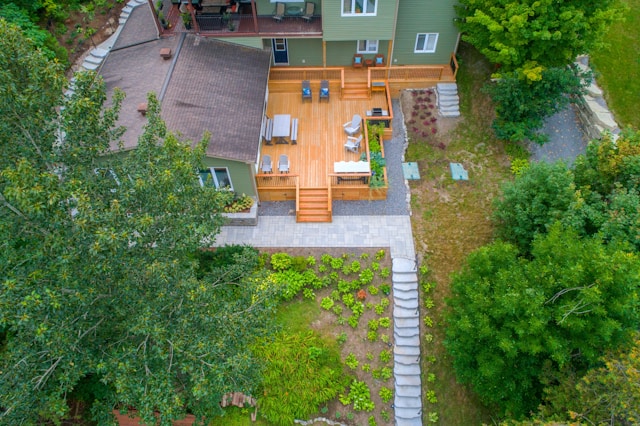
Climate-responsive landscaping in Vermont integrates snow load considerations, proper drainage and grading, erosion control solutions, retaining walls, and durable outdoor living spaces. By combining thoughtful planning with regionally appropriate materials, homeowners can protect their properties while enhancing year-round usability and curb appeal.
Climate-responsive landscaping is the foundation of Landscape Planning for Vermont’s Climate: Snow Management, Drainage & Year-Round Outdoor Living. This approach prioritizes resilience against environmental stressors such as:
Vermont properties often include sloped terrain, wooded areas, and clay-rich soils that expand and contract with temperature changes. A successful landscape plan must address these natural forces from the beginning to avoid costly repairs later.
Vermont winters bring substantial snowfall and extended freezing temperatures. These conditions create several landscaping challenges:
Frost heave occurs when moisture in the soil freezes and expands, pushing surfaces upward. During thaw cycles, the soil contracts, leading to uneven settling.
Careful snow management planning ensures structural longevity and minimizes seasonal damage.
Drainage and grading are among the most critical elements of Landscape Planning for Vermont’s Climate: Snow Management, Drainage & Year-Round Outdoor Living.
Improper drainage can lead to:
Spring snowmelt significantly increases water volume around homes. Managing runoff protects both landscaping and structural foundations.
Landscapes should slope away from foundations to direct water safely.
Subsurface drainage systems redirect excess water away from structures.
Shallow channels guide surface runoff while blending naturally into landscape design.
Rain gardens absorb runoff and support native plant growth.
The Vermont Department of Environmental Conservation (https://dec.vermont.gov/) provides stormwater management guidelines that emphasize responsible water control practices.
Proper drainage design reduces long-term structural risks and supports environmental stewardship.
Sloped properties are common in Vermont, making retaining walls and erosion control essential components of climate-responsive landscaping.
Without intervention, erosion can compromise:
Retaining walls not only stabilize slopes but also create terraced garden beds and usable outdoor areas.
The Natural Resources Conservation Service (NRCS) Vermont (https://www.nrcs.usda.gov/) provides guidance on erosion control best practices for residential properties.
Despite harsh winters, Vermont homeowners increasingly invest in outdoor living spaces.
Designing outdoor spaces that withstand winter conditions requires careful material selection and structural planning.
Proper installation reduces cracking and ensures long-term durability.
Year-round outdoor living means planning for:
Strategic lighting enhances winter ambiance and improves safety during early sunsets.
Climate-responsive landscaping incorporates plant selection suited to USDA Hardiness Zones 4–5.
Traditional lawns require significant maintenance and water. Alternatives include:
Lawn alternatives reduce irrigation needs and support biodiversity.
The Lake Champlain Basin Program (https://www.lcbp.org/) promotes landscaping strategies that minimize runoff and protect water quality.
Although Vermont experiences ample rainfall, irrigation systems remain valuable during dry summer periods.
Water-efficient irrigation supports plant health without overuse.
Designers must ensure irrigation systems are winterized properly to prevent freeze damage.
A critical differentiator in Landscape Planning for Vermont’s Climate: Snow Management, Drainage & Year-Round Outdoor Living is long-term maintenance forecasting.
Open Earth Landscaping emphasizes:
Planning with maintenance in mind prevents future dissatisfaction and financial strain.
Climate-responsive landscaping protects property value by:
Well-designed landscapes often increase resale value by improving first impressions and demonstrating structural care.
Outdoor spaces serve as extensions of the home, supporting entertainment, relaxation, and year-round enjoyment.
Vermont’s environmental priorities emphasize stormwater management and watershed protection.
Responsible landscape planning reduces:
Incorporating permeable pavers, rain gardens, and native plant buffers supports ecological balance while enhancing property functionality.
Professional designers assess:
Open Earth Landscaping Vermont (https://www.openearthlandscaping.com/) specializes in climate-responsive landscaping tailored to Vermont’s unique environment.
Collaborating with experienced professionals ensures integrated planning and efficient execution.
Landscape Planning for Vermont’s Climate: Snow Management, Drainage & Year-Round Outdoor Living demands strategic design rooted in environmental awareness and structural durability. By prioritizing snow load considerations, proper drainage and grading, erosion control, and freeze-resistant materials, homeowners can protect their properties against Vermont’s challenging climate.
Integrating retaining walls, climate-resilient plantings, lawn alternatives, and durable outdoor living features ensures both beauty and functionality across all seasons. Long-term maintenance forecasting further enhances satisfaction and cost control.
Ultimately, climate-responsive landscaping transforms outdoor spaces into resilient, year-round environments that support environmental stewardship, enhance property value, and reflect Vermont’s natural character. Thoughtful planning today ensures landscapes that endure—and thrive—through every season Vermont delivers.