
In Vermont, you’ll get stronger, longer-lasting plantings when you match each bed to its real sun hours and microclimates. Map morning, midday, and afternoon light for a few days, then use the rule of thumb: 6+ hours is full sun, 3–6 is partial shade, under 3 is shade. Place sun lovers in hotter, drier spots and shade plants in cooler, richer areas to avoid scorch, mildew, and leggy growth. Keep going to see how to spot tricky pockets.
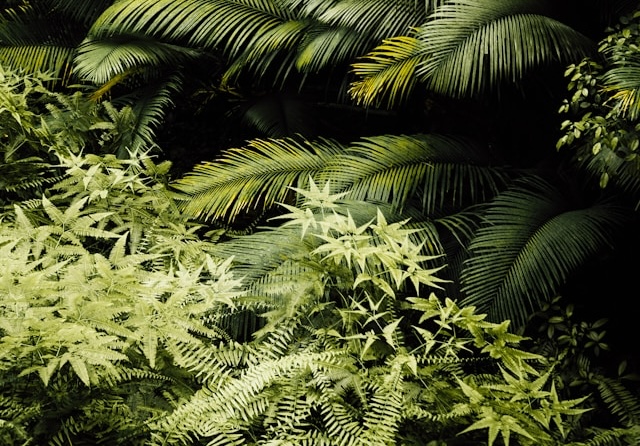
Because Vermont’s light can shift dramatically from one corner of your yard to the next, you’ll get the best long-term results when you match plants to the sun exposure they actually receive full sun, partial shade, or full shade rather than forcing “favorites” to fit.
Start by observing where morning and afternoon light falls, then confirm patterns with simple sun mapping over several days.
When you align choices with real conditions, you’ll reduce stress, improve rooting, and cut watering and replacement costs.
You can also anticipate snowmelt timing, wind exposure, and heat reflected from pavement or walls.
For resilient beauty, prioritize native plants vermont sun shade options that evolved for local swings in temperature and moisture.
If you want fewer surprises, treat plant selection vermont landscaping as a site-analysis task, not a shopping list.
While one yard can hold three different light conditions, full sun, partial shade, and full shade zones don’t behave the same—and your plant choices and layout need to reflect that.
In full sun, you’ll deal with hotter, drier soil, so choose drought-tough perennials and give beds wider spacing for airflow.
In partial shade, you can blend bloomers and foliage plants, but you’ll need to watch for uneven moisture and leggy growth; layer heights so mid-canopy plants don’t get swallowed.
In full shade, prioritize texture and season-long foliage, and group plants tightly to reduce weeds.
When you compare sun vs shade plants vermont, you’ll notice shade tolerant plants vermont often want richer soil and consistent moisture to thrive long term.
Those sun and shade zones don’t stay fixed throughout the day or the season, so it helps to map where light actually falls and how the site behaves.
Walk your yard morning, midday, and late afternoon, then note bright patches, dappled edges, and long shadows from trees, buildings, and hills.
Add seasonal checks—leaf-out, midsummer, and fall—to see how exposure shifts.
Next, read microclimates.
South-facing walls store heat, wind corridors dry soil, low spots trap frost, and ledge outcrops shed water fast.
When you pair this information with vermont yard plant planning, you’ll place plants where they’ll perform with less watering and pruning.
You’ll also choose full sun plants vermont yard only where sun and heat truly persist.
Map it, then design around it.
In Vermont yards, most plant failures trace back to a simple mismatch between what a plant needs and the light it actually gets. Put a “full-sun” perennial in afternoon shade and you’ll see weak stems, fewer blooms, and more mildew.
Tuck a shade-lover into hot, exposed beds and it’ll scorch, wilt fast, and demand constant watering.
You can fix this by checking light at planting height and matching it to the label: 6+ hours for full sun, 3–6 for part sun/partial shade, under 3 for shade.
Then choose the best plants for vermont yard sun exposure for each zone, and lean on partial shade plants vermont where tree canopies or north walls cut light.
Your plants will root deeper and need less rescue care.
A great Vermont landscape starts with a clear read of your site’s sun—not a guess based on a plant tag. When you work with Open Earth Landscaping, you get sun mapping and microclimate checks that match the right plants to the right light, so they establish faster and need less rescue watering.
That’s how full sun plants vermont landscaping and shade beds both look intentional, not patched together.
You’ll also avoid common failures like scorched leaves, leggy growth, and soggy roots by choosing landscape design vermont plants that fit your exact conditions.