
Custom Landscape Design in Vermont: Native Materials, Budget Planning & Low-Maintenance Outdoor Solutions requires thoughtful planning that reflects the state’s rugged climate, regional character, and environmental priorities. Creating Landscapes For Vermont Lifestyles means designing outdoor spaces that withstand long winters, freeze-thaw cycles, heavy snow loads, and seasonal rainfall—conditions that demand climate-resilient landscaping strategies. Homeowners must balance aesthetics, sustainability, budget considerations, and long-term maintenance when developing functional, durable, and regionally appropriate outdoor environments.
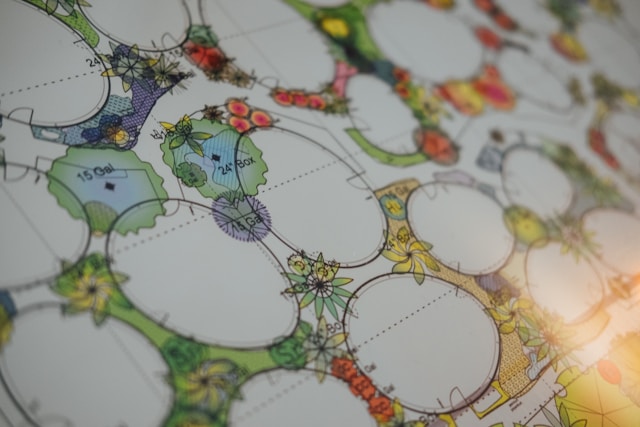
By integrating Vermont native plants, sustainable landscaping techniques, locally sourced hardscaping materials, and customized maintenance planning, property owners can create landscapes that are durable, environmentally responsible, and visually harmonious with New England’s natural beauty. A well-designed landscape not only enhances curb appeal but also strengthens property value and ensures year-round usability.
Custom landscape design goes beyond planting shrubs and laying stone pathways. It is a comprehensive process that includes:
In Vermont, climate-resilient landscaping is essential. USDA Plant Hardiness Zones 4–5 dominate much of the state (https://planthardiness.ars.usda.gov/), meaning plant and material selections must withstand extended periods of freezing temperatures and snow cover.
A successful design accounts for:
One of the core elements of Custom Landscape Design in Vermont: Native Materials, Budget Planning & Low-Maintenance Outdoor Solutions is the use of Vermont native plants.
Using locally adapted species improves:
Native plants are already adapted to Vermont’s climate, reducing irrigation needs and minimizing maintenance costs.
The University of Vermont Extension (https://www.uvm.edu/extension) offers extensive guidance on plant selection and soil management practices tailored to Vermont conditions.
Because native plants thrive naturally in local soil and weather conditions, they typically require:
This makes them ideal for homeowners seeking sustainable landscaping solutions.
Sustainability plays a major role in Vermont landscape planning, particularly due to environmental concerns such as protecting the Lake Champlain watershed.
The Vermont Agency of Natural Resources (https://anr.vermont.gov/) emphasizes practices that reduce runoff and chemical exposure.
Rain gardens capture stormwater runoff from roofs and driveways, allowing water to filter naturally into the soil. This reduces erosion and protects waterways.
Permeable hardscaping materials allow water infiltration rather than surface runoff, minimizing flooding during snowmelt and heavy rains.
Healthy soil improves plant resilience and drainage capacity. Compost and organic matter enhance root development and reduce synthetic fertilizer use.
Native plants and healthy soil reduce the need for pesticides and herbicides, protecting pollinators and water sources.
Sustainable landscaping ensures long-term environmental benefits while maintaining aesthetic appeal.
Hardscaping is a fundamental component of Custom Landscape Design in Vermont: Native Materials, Budget Planning & Low-Maintenance Outdoor Solutions.
Retaining walls, stone patios, and gravel pathways provide both functional and decorative value, improving drainage and snow management while enhancing curb appeal.
Proper soil health and drainage are critical in Vermont, where heavy snowmelt can saturate landscapes.
Poor drainage can lead to:
Prioritizing drainage solutions during initial design reduces costly repairs later.
Healthy soil also supports climate-resilient landscaping by promoting strong root systems capable of surviving extreme seasonal conditions.
Budget planning is a central element of Custom Landscape Design in Vermont: Native Materials, Budget Planning & Low-Maintenance Outdoor Solutions.
Open Earth Landscaping emphasizes aligning design vision with client financial goals while maintaining quality and sustainability.
Budget-conscious design does not mean sacrificing quality. It means strategic planning that balances immediate affordability with long-term value.
Every homeowner has different expectations for landscape upkeep.
These homeowners enjoy seasonal planting, pruning, and garden maintenance.
Design considerations may include:
These clients prefer minimal upkeep.
Design considerations include:
Choosing the right materials ensures the landscape aligns with the homeowner’s lifestyle.
Climate-resilient landscaping addresses Vermont’s seasonal extremes.
Designing for winter structure—such as evergreen shrubs and ornamental grasses—maintains aesthetic appeal even during dormant seasons.
Year-round planning enhances usability and property value.
Investing in Custom Landscape Design in Vermont: Native Materials, Budget Planning & Low-Maintenance Outdoor Solutions contributes to property value enhancement.
Outdoor living features such as patios, fire pits, and seating areas create functional extensions of indoor space.
A well-designed landscape signals quality and care to prospective buyers.
To ensure successful landscape outcomes:
Planning ahead reduces costly adjustments later.
Professional designers assess:
Open Earth Landscaping Vermont (https://www.openearthlandscaping.com/) specializes in climate-appropriate custom landscape design tailored to Vermont properties.
Working with experienced professionals ensures cohesive planning and efficient execution.
Maintaining a landscape requires periodic attention, but strategic design reduces workload.
Long-term sustainability includes:
Preventative care protects plant health and hardscape integrity.
Custom Landscape Design in Vermont: Native Materials, Budget Planning & Low-Maintenance Outdoor Solutions integrates climate resilience, sustainability, aesthetic harmony, and financial strategy into one cohesive approach. By incorporating Vermont native plants, sustainable landscaping practices, local hardscaping materials, and thoughtful maintenance customization, homeowners can create outdoor environments that thrive in challenging weather conditions.
Prioritizing soil health, drainage management, and cold-hardy plant selection ensures long-term durability. Budget-conscious planning allows for scalable improvements without sacrificing quality. Whether enhancing curb appeal or designing year-round outdoor living spaces, investing in custom landscape design strengthens property value and environmental stewardship.
Ultimately, a well-planned Vermont landscape reflects regional identity, supports ecological balance, and delivers lasting beauty across every season