
Native plants are the best choice for your Vermont landscape because they’re built for local weather swings, soils, and rainfall, so your yard thrives with less watering, mowing, and feeding. You’ll face fewer pest problems and fewer losses after late frosts, which cuts replacement costs. Deep roots improve soil health, boost drainage, and prevent erosion on slopes and edges. Plus, you’ll support pollinators and wildlife with plants they’ve evolved alongside. Keep going to see which natives fit your site.
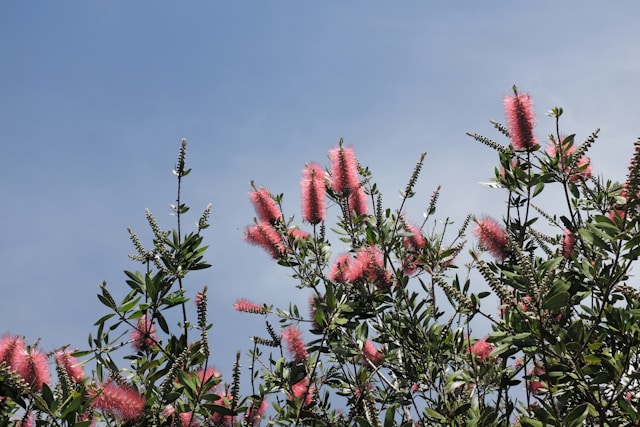
Because Vermont’s weather swings and varied soils can punish one-size-fits-all plantings, native plant landscaping puts sustainability first by choosing species already built for local conditions.
You work with plants that evolved alongside local insects, fungi, and wildlife, so your landscape functions like a living system instead of a decorative patch.
With sustainable landscaping vermont, you strengthen soil structure, capture stormwater, and curb erosion on slopes and along driveways.
You also reduce chemical inputs by selecting species that naturally tolerate regional pests and diseases.
Vermont native plant design lets you match sun, shade, moisture, and soil texture to the right plant communities, so each bed performs year after year.
You get long-term resilience without constant corrections or waste.
And you support pollinators with true habitat, not just blooms.
Native plant design sets up a landscape that can handle Vermont’s shifts in weather, and that same local fit pays off in day-to-day upkeep.
When you choose climate-adapted plants reduce maintenance becomes more than a promise: you’ll mow less, fight fewer pests, and skip constant feeding.
Because they’re tuned to local rainfall patterns, you’ll cut irrigation needs and worry less during dry spells.
You also avoid the heartbreak of watching tender imports fail after a late frost, which lowers replacement costs over time and keeps your budget steady.
If you want low maintenance landscaping vermont, natives help you feel confident season after season.
Even when Vermont storms hit hard or summer turns dry, plants with deep root systems hold your landscape together from the ground up. Their roots knit soil particles, resist washouts on slopes, and steady streambanks and driveways, making them reliable erosion control plants vermont.
As roots push down, they open channels that improve infiltration and reduce puddling, so rain moves into the ground instead of racing across it. You’ll see better drainage in compacted lawns, along gravel edges, and in rain-garden areas.
Deep roots also feed soil life by adding organic matter below the surface, building structure that stays stable through freeze-thaw cycles.
With open earth landscaping vermont, you can match rooted natives to your site so soil holds, water flows, and maintenance stays low year after year.
When you choose plants that evolved in Vermont’s forests, meadows, and wetlands, you build habitat that local wildlife already knows how to use. Native choices fit together like old neighbors, boosting biodiversity and keeping food webs intact.
You’ll see more life because leaves feed caterpillars, seeds feed birds, and blooms fuel bees and butterflies.
Add pollinator friendly plants vermont to your beds and you support healthy nesting, migration, and natural pest control without extra chemicals.
Your yard becomes a small refuge that connects to nearby woods, streams, and fields, helping ecosystems stay balanced through seasons and storms.
All that birdsong and pollinator activity becomes even more reliable when your landscape is designed to last, not just to look good for a season. You get that durability when you work with Open Earth Landscaping, because you’ll use Vermont-adapted natives that handle drought, freeze-thaw cycles, and local soils with less watering and fewer inputs. If you want eco friendly landscaping vt, you’ll cut runoff, improve soil, and lower long-term maintenance.
| Your goal | Native-plant outcome |
|---|---|
| Fewer weeds | Dense, seasonal cover |
| Less watering | Deep-rooted resilience |
| Less fertilizer | Natural nutrient cycling |
| More habitat | Food and shelter webs |
| replace lawn with native plants vt | Meadow and edge diversity |
You’ll end up with a landscape that performs every year and strengthens the place you live.