
You might expect a lush, thriving landscape to demand endless water and time, yet xeriscaping proves the opposite. By integrating drought-tolerant native plants and targeted irrigation techniques, you can drastically cut water use and maintenance needs. This method not only conserves resources but also reduces your utility costs, making it a practical choice for sustainable homeowners. Understanding how xeriscaping achieves this balance can change the way you view your outdoor space.
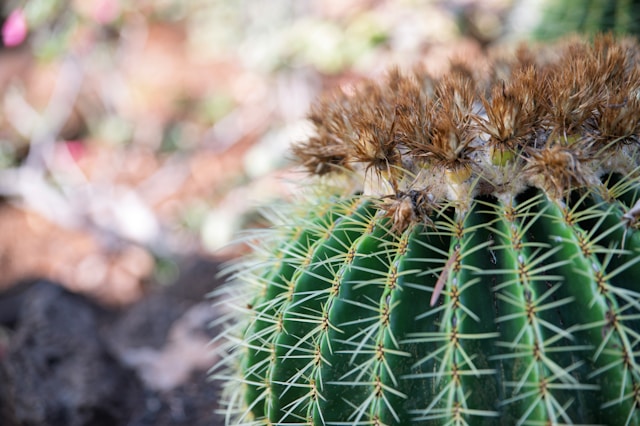
Although traditional landscaping often demands excessive water and maintenance, xeriscaping offers a sustainable alternative that conserves resources without compromising aesthetics. When you embrace xeriscaping, you adopt water-efficient landscaping principles that reduce water consumption by selecting drought-tolerant native plants, optimizing soil conditions, and implementing smart irrigation systems.
In Vermont, xeriscaping demonstrates adaptability beyond arid regions by using local plant species suited for the climate, ensuring resilience and minimal resource input. By choosing Vermont xeriscaping, you support ecological balance and promote community well-being through environmental stewardship. This approach aligns naturally with the philosophy of Open Earth Landscaping, which focuses on sustainable, climate-responsive landscape solutions.
When you adopt xeriscaping principles, you immediately reduce your landscape’s water consumption by up to 80% through the use of drought-tolerant plants, native plants Vermont homeowners trust, and drip irrigation. This sustainable landscape design prioritizes landscape water conservation and soil health landscaping to guarantee long-term vitality with minimal input.
Incorporating mulching techniques and rainwater harvesting further enhances moisture retention and reduces irrigation frequency. You’ll spend less time on upkeep thanks to low-maintenance landscaping strategies intrinsic to eco-friendly landscaping. These approaches are often integrated during professional landscape construction projects to ensure long-term performance.
Since water scarcity and environmental concerns continue to grow, xeriscaping offers a practical landscaping approach that minimizes water use without sacrificing aesthetics or plant health. You’ll design landscapes using drought-tolerant plants, efficient irrigation systems, and soil amendments that optimize moisture retention.
This approach pairs well with thoughtful planning tools such as Landscape CAD site drawings, which help visualize plant placement, irrigation zones, and grading before installation begins.
By embracing xeriscaping principles, you’ll create a landscape that maximizes resource efficiency while supporting local ecosystems. Implementing hydrozoning ensures precise irrigation, reducing waste while sustaining native flora.
This approach is often combined with hardscape elements such as patios and walkways, as discussed in balancing hardscape and softscape, to create functional and visually cohesive outdoor spaces.
Reducing water consumption through hydrozoning and drought-tolerant plants directly impacts your utility bills and landscape upkeep costs. Strategic use of permeable surfaces and proper grading—common in patios and walkways—also helps manage runoff efficiently.
A xeriscaped landscape substantially cuts your water bills by minimizing irrigation needs through native plant selections tailored for Vermont’s climate. This also reduces long-term maintenance demands compared to traditional turf-heavy landscapes, where turf installation often requires ongoing watering and care.
Although xeriscaping focuses on conserving water, it also enhances local ecosystems by promoting biodiversity and reducing chemical runoff. These benefits are especially valuable in sensitive environments such as lakefront properties, where erosion control is critical, as outlined in protecting lakefront property in Vermont.
When you implement xeriscaping, you improve soil structure by using organic mulches and selecting plants that enhance microbial activity and nutrient cycling. This resilient soil ecosystem supports water retention and nutrient availability, which benefits both plants and pollinators.
Improving soil health and supporting pollinators sets a strong foundation for effective xeriscaping design. Using professional planning methods similar to those discussed in the importance of landscape CAD drawings helps ensure efficient layout, grading, and plant placement.
Since native plants are adapted to your local climate and soil, they require less water and care, making them the backbone of an efficient xeriscape. When paired with mulch and drip irrigation, this strategy significantly reduces water use and maintenance time.
Open Earth Landscaping integrates advanced xeriscaping principles with local ecological knowledge to deliver tailored, sustainable landscape solutions. Their approach emphasizes long-term resilience, efficient water use, and harmony between hardscape and softscape elements.
Crafting a custom xeriscape design in Vermont requires a precise understanding of regional climate patterns, soil conditions, and native plant adaptability. These considerations are often incorporated into comprehensive projects such as designing a Vermont backyard oasis.
You can transform your Vermont landscape into a sustainable, low-water-use environment by adopting xeriscaping principles tailored to your property’s unique conditions. Thoughtful planning, efficient irrigation, and climate-appropriate materials make this approach both environmentally and economically beneficial.
To turn your water-efficient landscape plan into reality, consulting with experienced professionals makes all the difference. Visit the Open Earth Landscaping blog for more insights, or reach out directly to start planning your sustainable landscape.